
At RYTC, we know that life can be challenging, especially for young people. In the YouTube video “Where is Your Happy Place?”, we hear a student’s story of feeling anxious about going on holiday. While holidays are exciting for some, they can be stressful for others, especially if it means leaving their routine and meeting new people. That’s why coping strategies are so important.
In this blog, we’ll talk about how we help young people develop tools to handle stress, anxiety, and anything life throws at them, tools they’ll use for the rest of their lives.
Why Coping Strategies Matter
The video shows how one person’s “happy place,” like a peaceful walk in the park, could be a nightmare for someone else. Coping strategies help us handle those tough moments, whether it’s a big event or just an overwhelming day. They help young people feel more in control, even when things get stressful.
In the video, we see how a student was anxious about going on holiday, something that might sound exciting, but the thought of stepping out of their comfort zone made them nervous. With the right coping strategies, they were able to take a step back, breathe, and manage their feelings.
Building a Toolkit for the Future
At RYTC, we focus on helping young people build their own toolkit of coping strategies. These tools aren’t just for now; they’re for the future too. A strong toolkit can help them deal with everything from social anxiety to performance pressure or even just those moments when everything feels a bit too much.
Here are a few strategies we teach at RYTC:
- Mindfulness: Simple things like deep breathing or focusing on the present moment can help calm a racing mind.
- Visualization: Imagining themselves succeeding in a stressful situation can help young people feel more confident and less anxious.
- Creative Expression: Writing, drawing, or acting can help release emotions and process feelings in a healthy way.
We encourage students to start banking these strategies so when life gets tough, they know exactly what to do to stay grounded.
The Importance of Mentorship and Trust
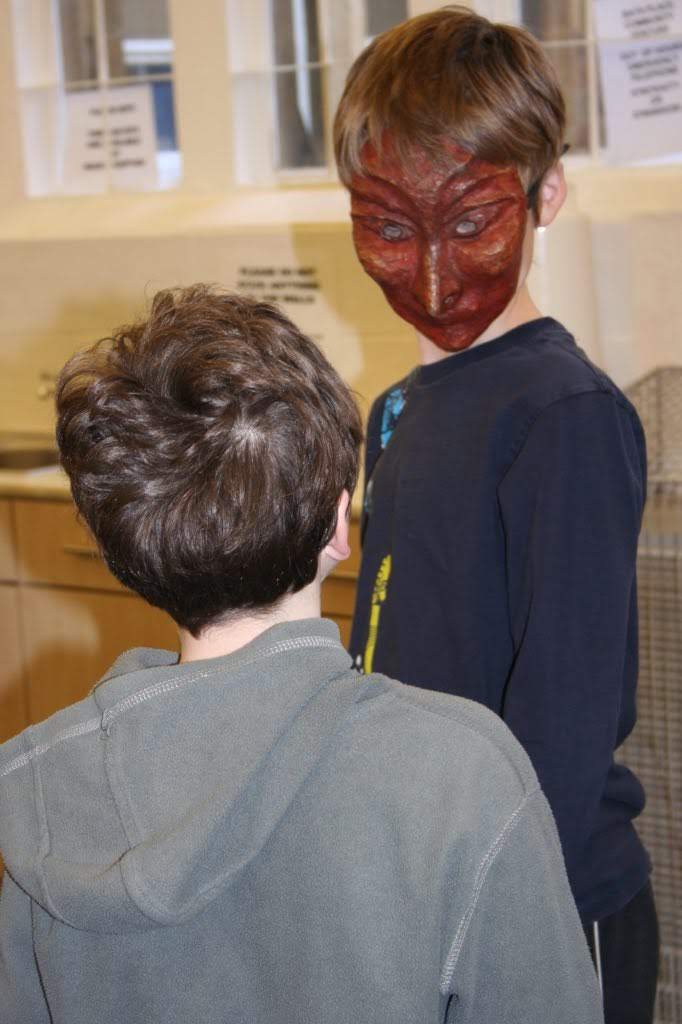
The mentor-student relationship in the video shows just how important trust is. By creating a safe space, the mentor helped the student open up about their worries. Without trust, it’s hard for anyone to share what’s really going on in their mind.
At RYTC, we know that a strong relationship with a mentor is key to helping students develop coping strategies. Our mentors listen, support, and guide, helping students feel understood and empowered.
Conclusion
The “Where is Your Happy Place?” video reminds us that we all experience stress differently. Some people find peace in nature, while others might feel anxious about it. That’s why having coping strategies is so important; they help young people tackle life’s challenges, no matter what.
At RYTC, we’re here to help young people build their coping toolkit, giving them the confidence to face whatever comes their way.
Watch the video: “Where is Your Happy Place?” to see how we can help young people develop these strategies for the future: https://youtu.be/xniWRoapxgU
Creative Pathway Methodology: Of Course You Can!™ serving the brilliantly underestimated
Recent Comments