

Life skills are the building blocks for a successful and fulfilling life. Equipping our children with these essential tools empowers them to navigate challenges, make informed decisions, and build strong relationships. Let’s explore key life skills and practical ways to nurture them.
Why are life skills important?
- Independence: Equip children to handle daily tasks and make informed decisions.
- Resilience: Build the ability to cope with setbacks and bounce back from challenges.
- Social Skills: Foster strong relationships and effective communication.
- Emotional Well-being: Develop self-awareness and emotional regulation.
- Future Success: Prepare kids for academic, professional, and personal achievements.
Core Life Skills to Focus On
- Communication: Active listening, expressing feelings, public speaking.
- Encourage open dialogue. Create opportunities for kids to share their thoughts and feelings.
- Role-play different social situations.
- Problem-solving: Critical thinking, decision-making, finding solutions.
- Present age-appropriate challenges. Guide kids through the problem-solving process.
- Encourage brainstorming and creativity.
- Time management: Prioritizing tasks, setting goals, meeting deadlines.
- Create schedules and routines. Break down large tasks into smaller steps.
- Use visual aids like planners or charts.
- Self-care: Healthy habits, nutrition, physical activity, sleep.
- Establish healthy routines. Involve kids in meal planning and preparation.
- Encourage physical activity and outdoor play.
- Emotional intelligence: Understanding emotions, empathy, self-regulation.
- Label emotions and discuss feelings. Teach coping mechanisms for stress.
- Encourage empathy through volunteer work or helping others.
- Financial literacy: Budgeting, saving, spending wisely.
- Use allowance as a teaching tool. Involve kids in family finances.
- Explain concepts like needs vs. wants.
- Digital literacy: Safe internet use, online etiquette, digital citizenship.
- Set clear rules for device usage. Teach online safety practices.
- Encourage responsible digital behavior.
Practical Ways to Teach Life Skills
- Incorporate into daily life: Turn chores into learning opportunities. For example, cooking together can teach measurement, following instructions, and teamwork.
- Model desired behaviors: Children learn by observing adults. Demonstrate good communication, problem-solving, and self-care habits.
- Encourage independence: Let kids make age-appropriate choices. Give them opportunities to practice decision-making.
- Foster creativity: Support imagination and problem-solving. Provide materials for art, music, or building projects.
- Build emotional intelligence: Validate feelings and teach coping strategies. Use books, movies, or real-life experiences to discuss emotions.
- Teach responsibility: Assign tasks and follow through. Help kids understand the consequences of their actions.
Fun Activities to Build Life Skills
- Cooking and baking: Learn measurement, following instructions, and teamwork.
- Gardening: Develop patience, responsibility, and connection to nature.
- Board games: Practice strategy, problem-solving, and social interaction.
- Volunteer work: Cultivate empathy, gratitude, and community spirit.
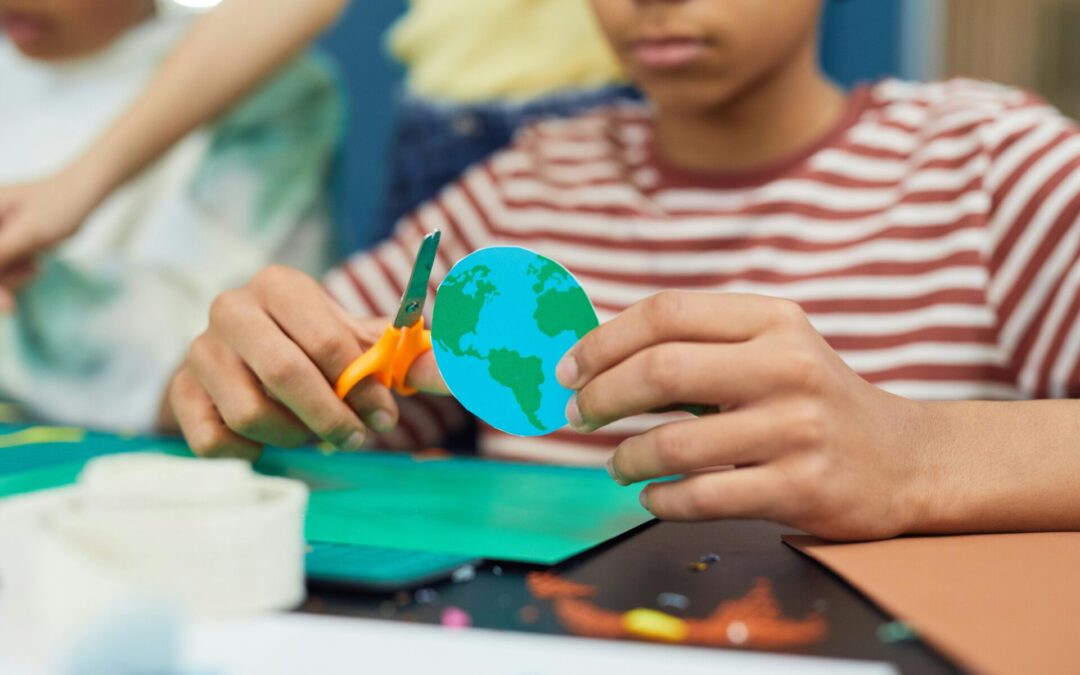
- Arts and crafts: Encourage creativity, fine motor skills, and self-expression.
Remember, building life skills is a gradual process. Be patient, supportive, and celebrate small victories. By providing opportunities for growth and development, you’re empowering your child for a bright future.
🌟 Free Resource for Parents & Educators
Seeking a gentle approach to support your child’s emotional well-being and learning journey?
We’re offering a free download of Positive Thoughts: Mindfulness Quotes and Daily Affirmations for Inner Peace—a beautiful, calming resource designed to help young learners feel empowered, grounded, and more confident every day.
Perfect for home education, EOTAS, or simply creating mindful family routines.
👉 [Download it here for free] → https://www.educationselectionbox.com/free-download
Recent Comments